Local Energy, Shared Opportunities: IUS Hosts Lecture on Renewable Energy Communities
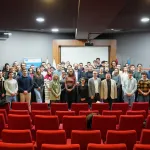
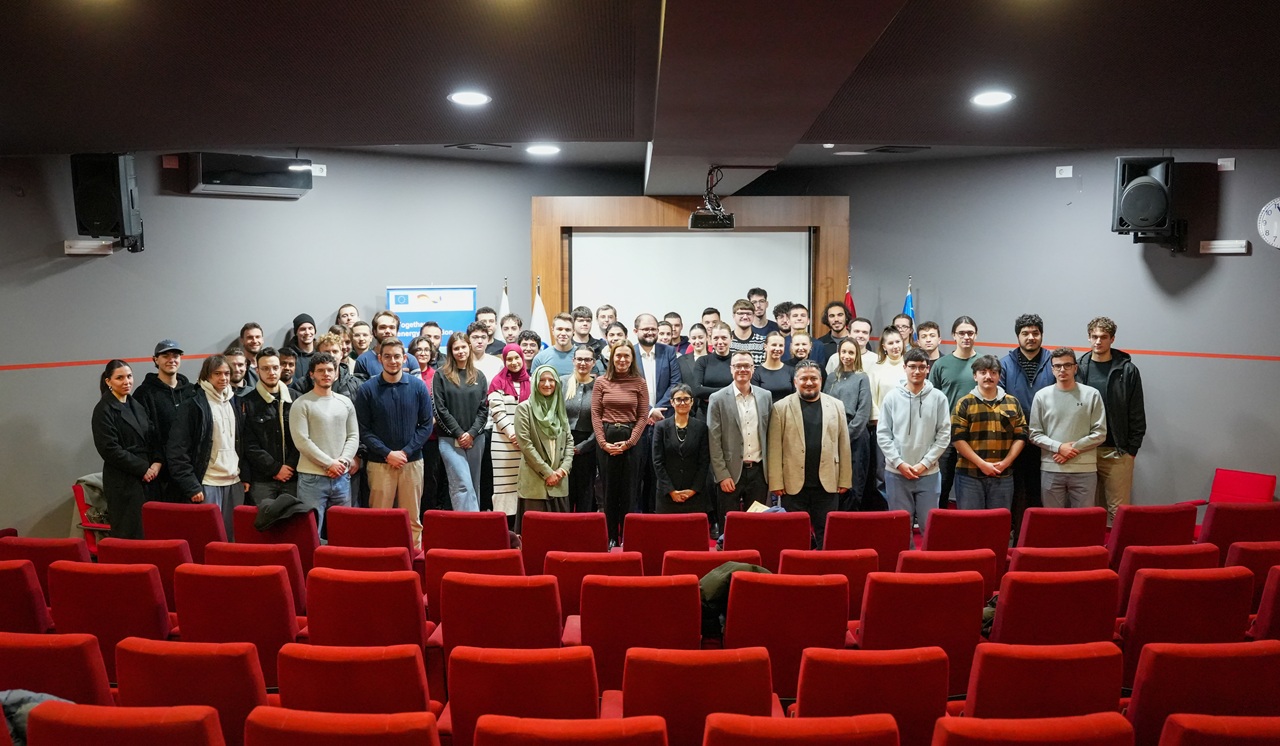
Citizens, local authorities and businesses can contribute to the energy transition by working together to produce and use renewable electricity. How these partnerships work - and the opportunities they offer future professionals - was the focus of a lecture at the International University of Sarajevo (IUS) on November 23, 2026.
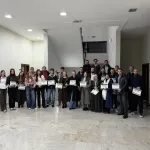
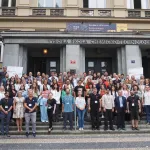
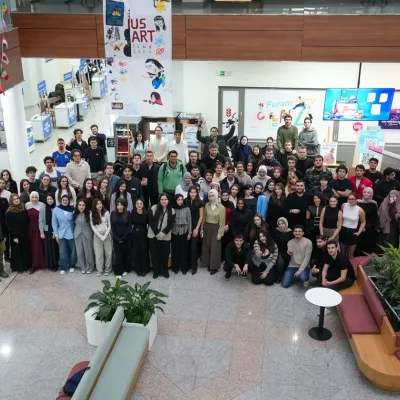
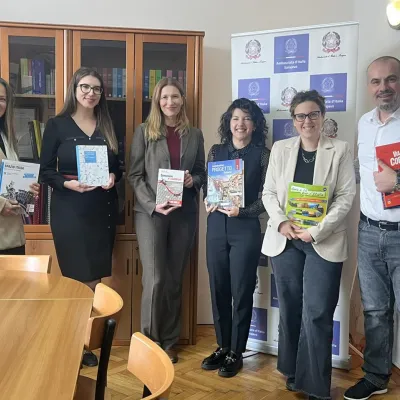
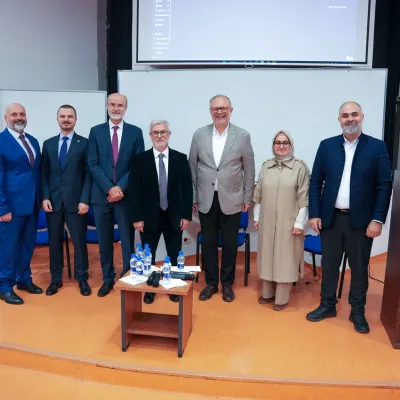
Organized within the EU4 Collective Action for Energy Transition (EU4CAET) project and the Green Diplomacy Weeks initiative, the event brought students together with representatives of the European Union, the German Embassy in Bosnia and Herzegovina and GIZ energy specialists.
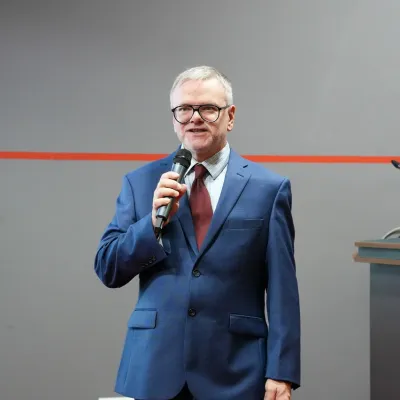
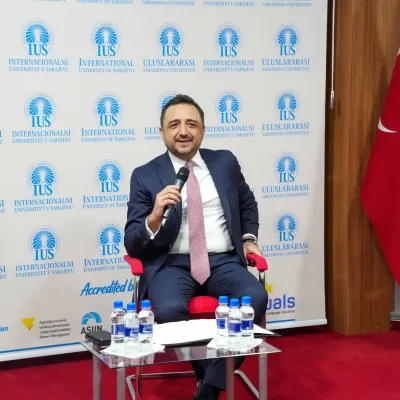
Antonella Di Sandri, Head of Operations Section II for Economic Development, Green Transition and Investments at the EU Delegation to Bosnia and Herzegovina, highlighted how renewable energy communities can translate European standards into tangible local benefits, including greater citizen participation and increased renewable energy production.
“Young people will be part of this transition, and we want them to have the knowledge and opportunities to shape it,” Di Sandri said.
Lukas Behrenbeck, representing the German Embassy in Bosnia and Herzegovina, shared Germany’s experience with citizen-led energy initiatives. He explained that visible benefits, such as lower bills and new jobs, strengthen public support for sustainable energy solutions. He also emphasized the importance of cooperation with universities in preparing professionals who can put these models into practice.
GIZ energy advisors Mario Jašić and Nejra Spahić examined the practical and technical aspects of renewable energy communities. Their presentations covered Bosnia and Herzegovina’s regulatory framework, potential governance models and technical requirements, as well as opportunities for generating, storing and sharing renewable electricity.
The discussions connected classroom learning with the challenges of developing community-led energy initiatives, highlighting the complementary roles of future lawyers and engineers. Students gained insight into how their expertise can support both the organizational structures and technical solutions needed for these communities to succeed.
Part of EU4CAET’s wider cooperation with universities across Bosnia and Herzegovina, the lecture offered students an opportunity to engage with practitioners and international partners working on the country’s energy transition.
EU4CAET is co-funded by the European Union and the Federal Republic of Germany. Germany’s Federal Ministry for Economic Cooperation and Development commissioned GIZ to implement the project within the CAET program. The project provides technical assistance and grants for community-led sustainable energy initiatives in Bosnia and Herzegovina.